
Kitty O’Connor | Teaching Artist, KID smART
As a parent of a teenager, I’ve been struggling with feeling like my voice goes completely unheard to my teen. A friend recommended an episode of Radiolab entitled Voice, where they discuss a study monitoring what happens in teen brains when they hear their mom’s voice. When children are younger, their mom’s voice is linked to the rewards center in the brain; it brings joy, their brains literally light up! Teenage brains, however, lose this connection to mom’s voice, and their rewards center lights up, instead, to the voices of strangers.
While it was validating to hear some science that backs up my parenting struggles, this was merely a blip of the entire episode. The bulk and true beauty of this episode focused on disability justice advocate Alice Wong, and the impact she experienced when she lost her speaking voice after a tracheostomy. After the procedure, Wong, a Chinese-American woman, communicated through a robotic, clinical, hollow and white computer voice.
She hears about a specific attachment for her ventilator that has the potential to return her speaking voice! A valve with the purported mission “dignity through speech.” And as much as she wants her own speaking voice back, she does not like this sentiment one bit! Alice argues:
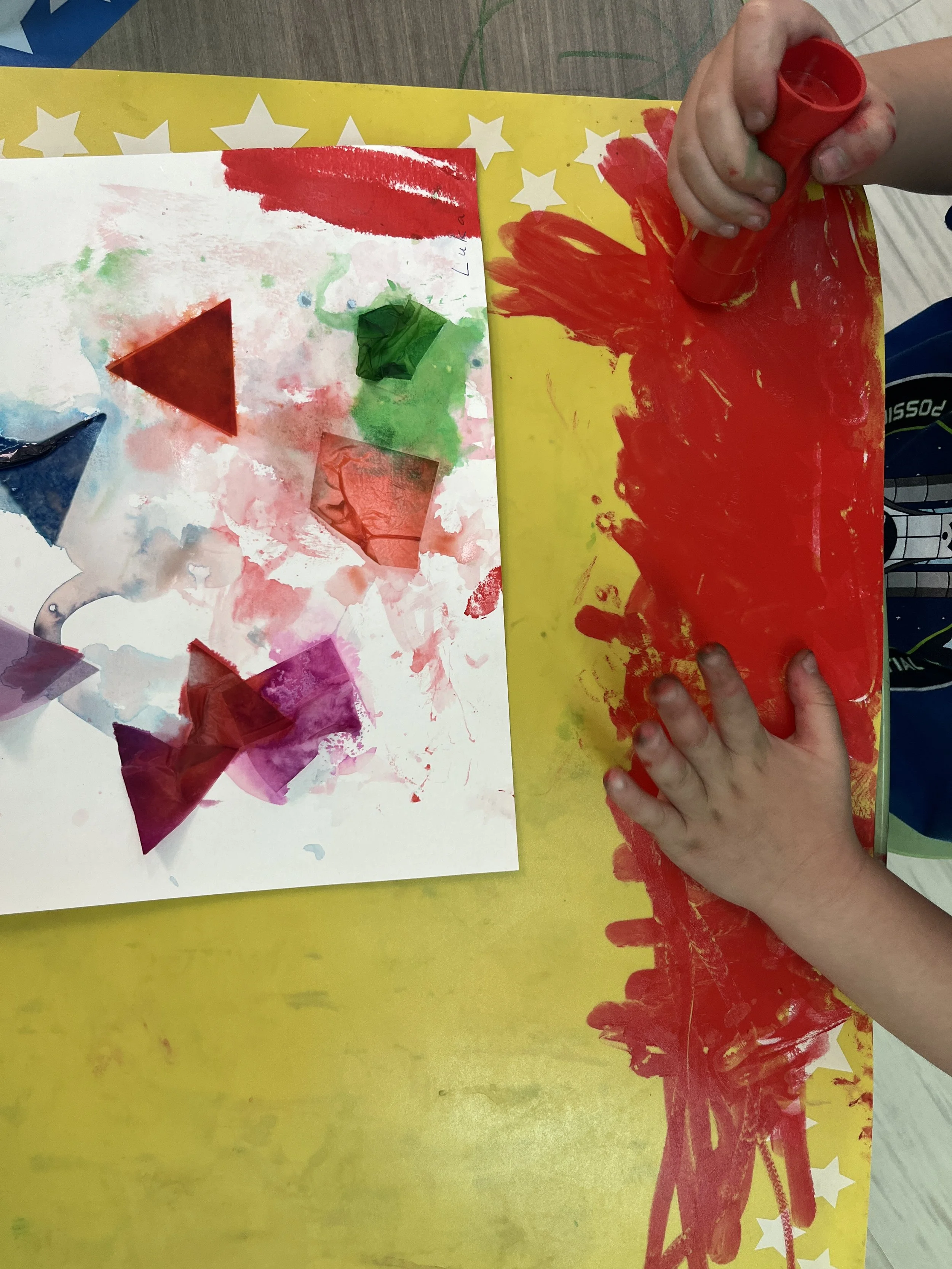
“...isn't there dignity in silence, too? Silence does not mean a person is voiceless, as there are millions of non-speaking people who use gestures, sign language, writing, technology and other means to communicate with the world. I live in a world of silence that is not lesser or devoid of richness. My reality is just different.”
As a teaching artist who works exclusively in special education settings, Alice’s adamance that dignity is not linked to speech has really made me pay extra attention to providing multiple options for expression & communication for my students. “Using our words” should not be the desired means for communicating knowledge, wants, or needs. I’ve really carried Alice’s beliefs on dignity with me in the way I create lessons and listen to my non-speaking students.
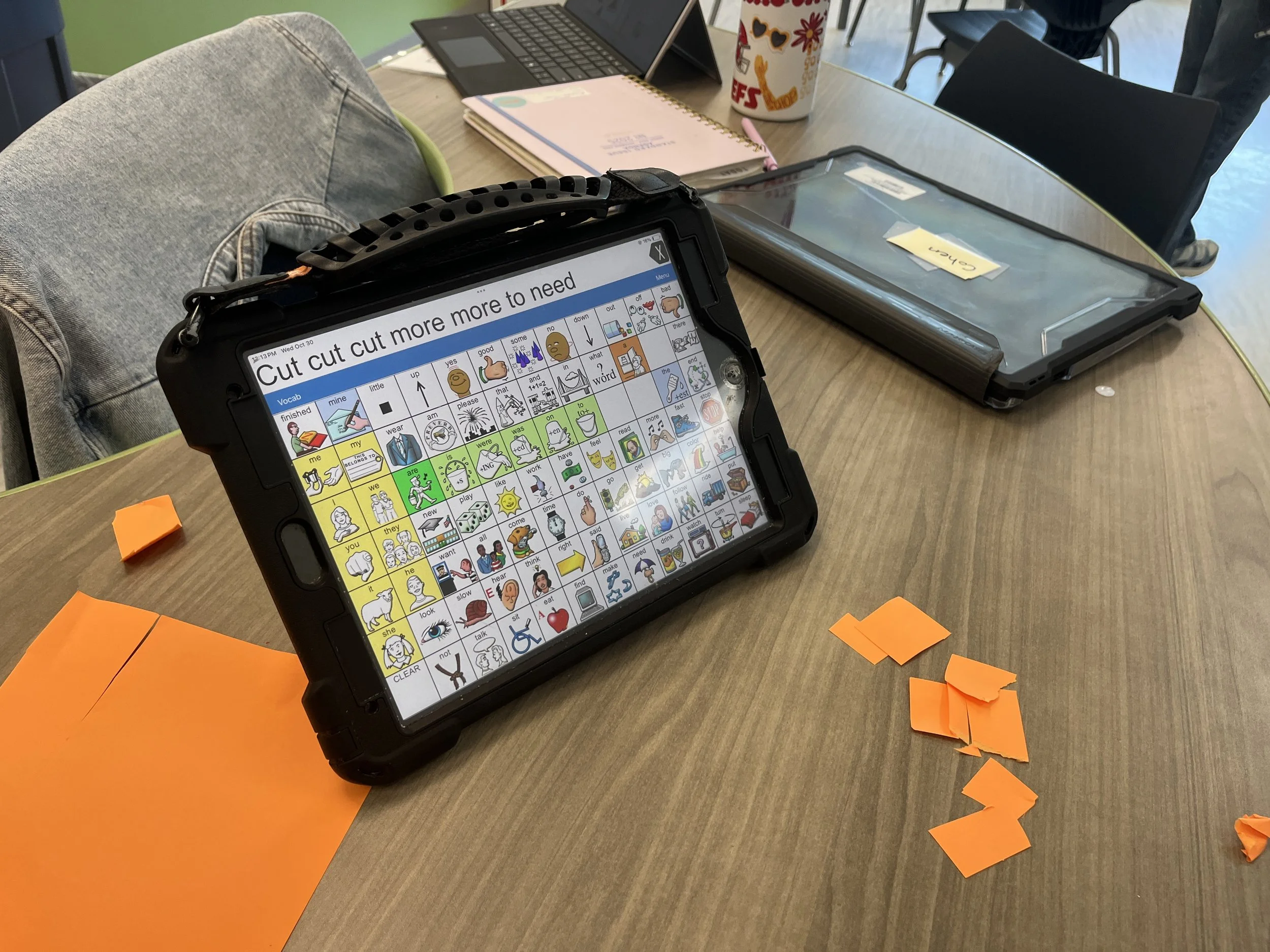
“I want the students I work with to know that I hear them, in all the ways they communicate. Their voices have dignity.”
It takes time, care, attention, and consistent communication between all adults who work with non-speaking students to hear the full power of their voices. Sometimes we misinterpret things, and that’s okay. We quickly learn not to make that mistake again.
This belief in the many ways we communicate inspired a project with students in ReNEW Laurel's Community Based Instruction classrooms. KID smART’s very own Creative Schools Learning Experience Manager, Mia Rotondo, worked with students to explore and access the tools that make and record sound. Students worked with Ms. Mia to find more accessible ways to be heard in the classroom and their community.
As Alice Wong reminds us:
“...Silence does not mean a person is voiceless, as there are millions of non-speaking people who use gestures, sign language, writing, technology and other means to communicate with the world…”
Take a listen to Voice on Radiolab: https://radiolab.org/podcast/voice. Alice Wong died shortly after this interview; let her voice live on and her advocacy for disability justice inspire you!
And take a listen to these dignified voices from the project with ReNEW Laurel students: https://msmiakidsmartbeloud.bandcamp.com/track/sel-sounds-comfortable-uncomfortable-orchestras
