
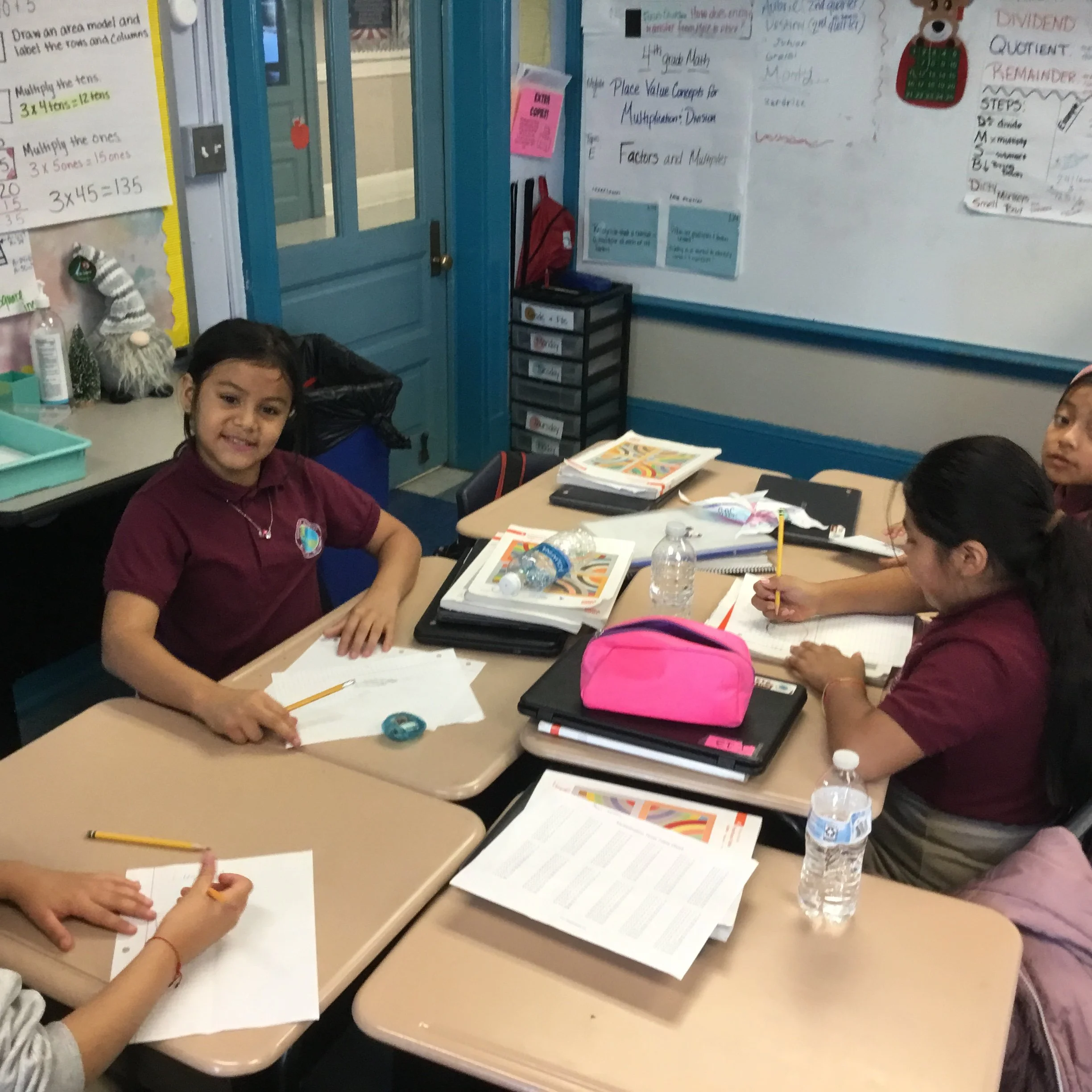
Learning In Motion: Stop Motion Animation in the Classroom
Discover how stop-motion animation brings science and art together in the classroom! See how Pre-K to 4th-grade students at Esperanza created dynamic films that illustrate kinetic energy and modes of transportation.
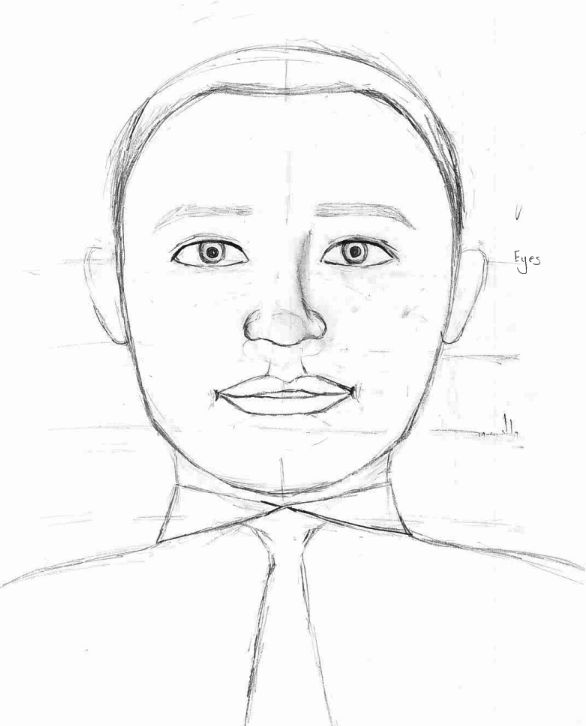
Portraits of Emmett Till: An Arts-Integrated Lesson in Social Studies
Explore how eighth graders at Hynes Lakeview used art to honor Emmett Till and deepen their understanding of Civil Rights history.

Make It Relevant, Make It Fun, Make It Accessible: Arts Integration in the Classroom
Learn how students at The NET Central City used protest buttons and music to connect deeply with African American Studies and Civics in this engaging lesson by Kitty O’Connor.
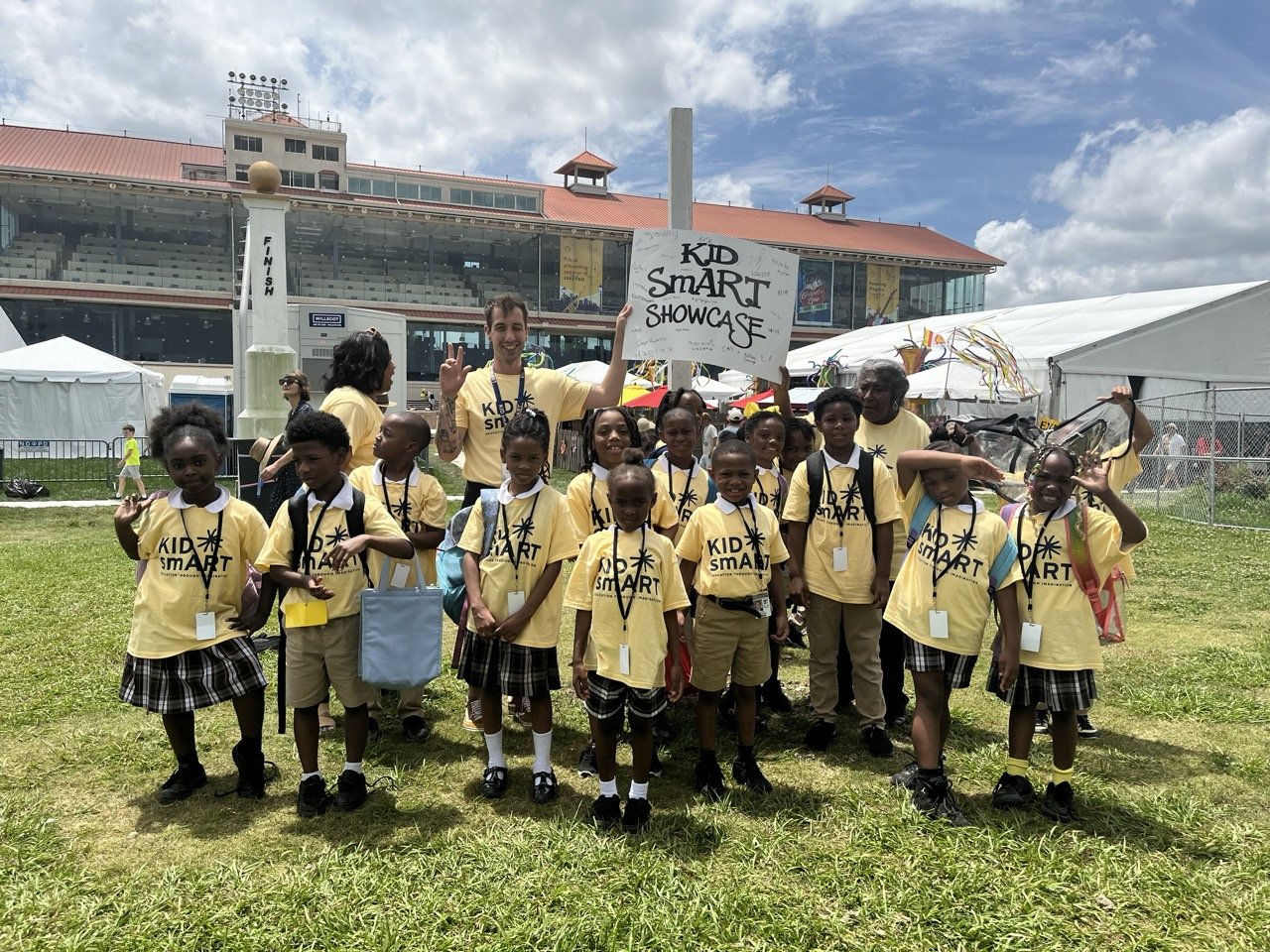
Teaching with KID smART 23-24
A look back on all that happened in Mr. Jasper’s classroom this past year.

Using Collage to Express Ourselves
Read how a Spanish and Visual Art class used collage to explore Mexican culture and personal expression.
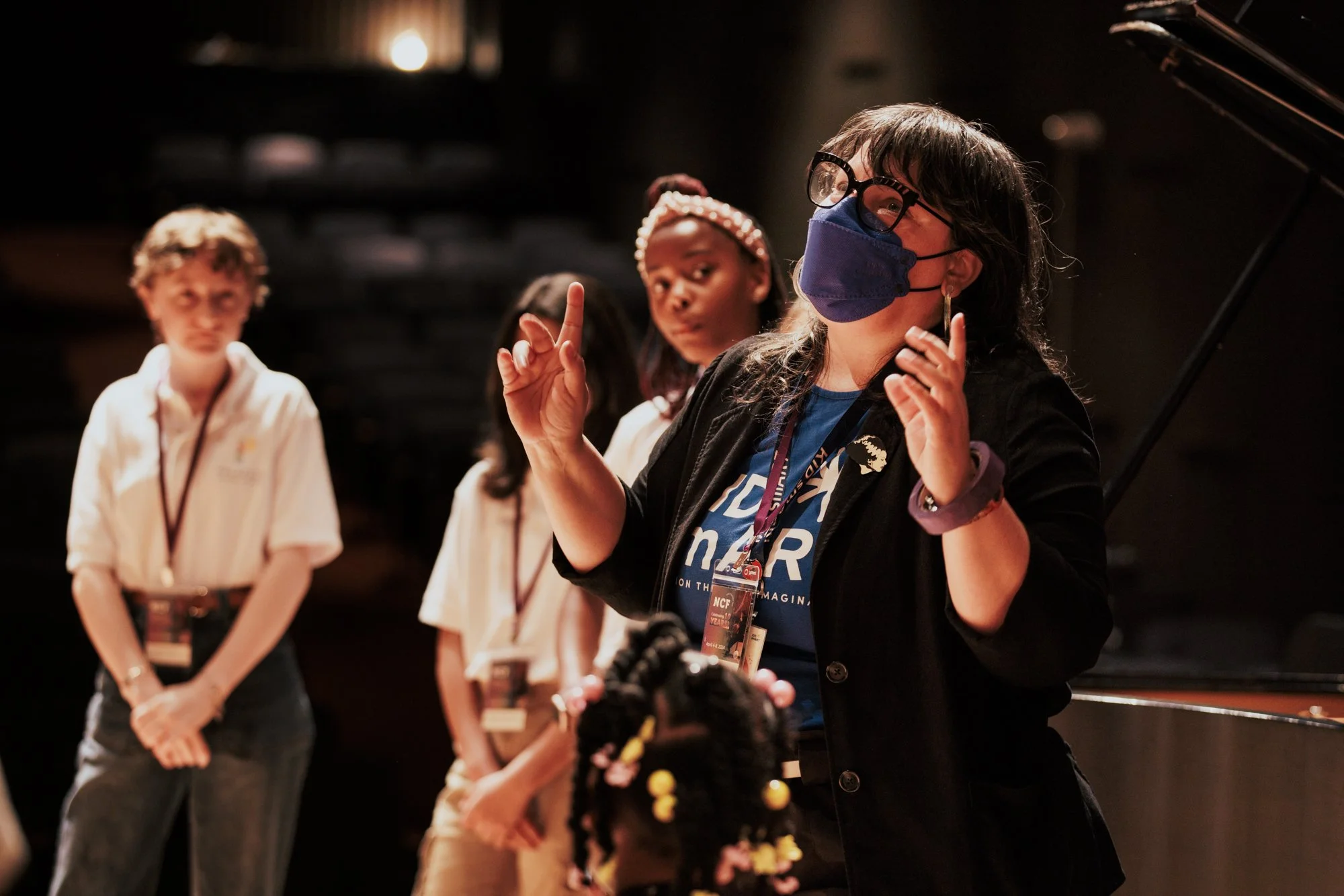
Program Quality Assessment: The Proven Excellence of KID smART in Action!
This past March, KID smART underwent a Program Quality Assessment (PQA), done by The Forum for Youth Investment and The Center for Youth Program Quality. The assessment evaluates four main areas of our program, referred to as Domains, and are scored on a scale of 1.0 to 5.0. Wanna know how arts integration changes education? It’s all in the facts, baby!
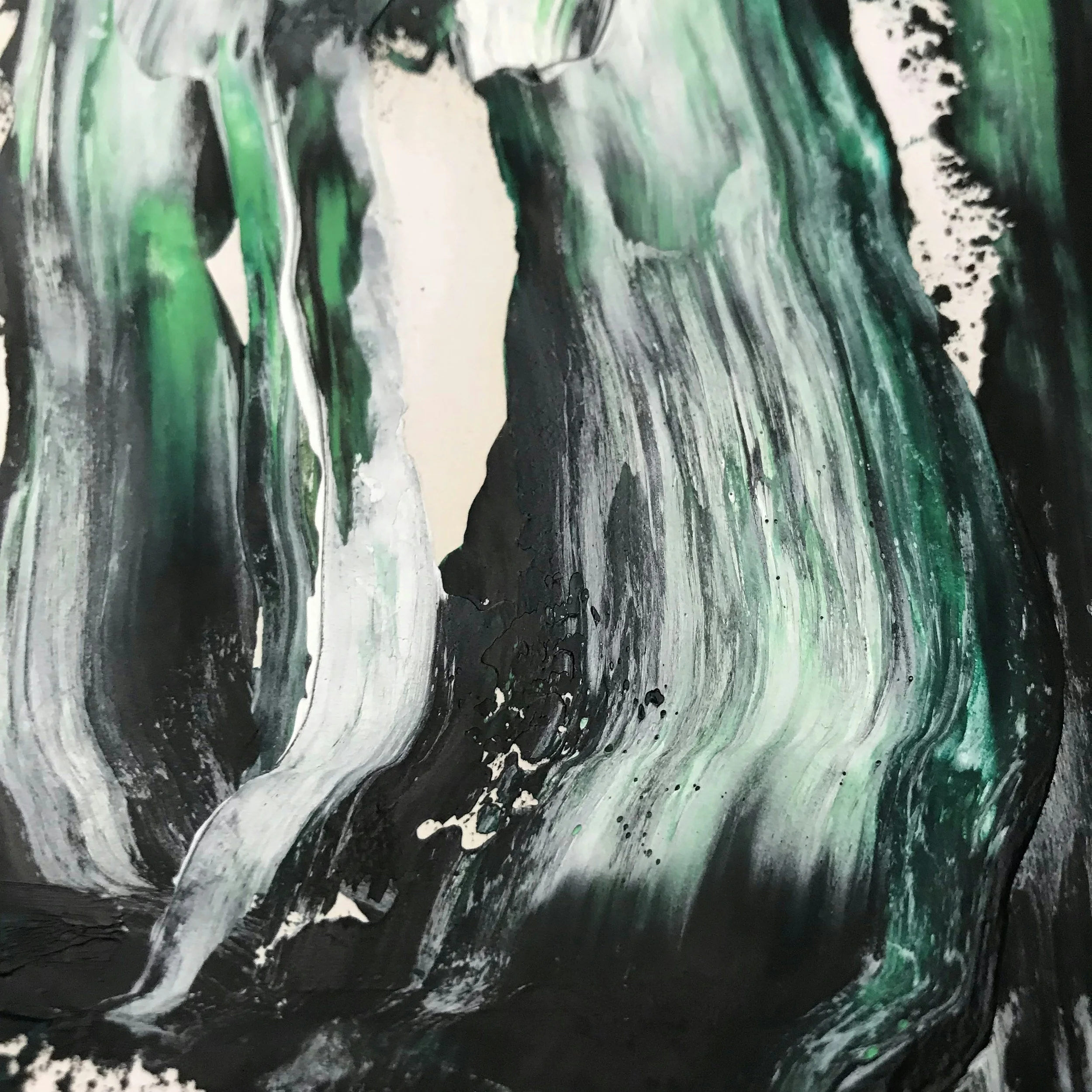
Mixing Things Up: An Artistic Experiment in Color
The right color combinations can draw in attention, generate emotion, and ultimately leave a lasting impression on the viewer.
So, to further explore this concept-and finish off our lesson on saturation, pigment and color theory-we did an experiment on mixing colors!

Building Community through Arts-Integration and Creative Dramatics (Sample Lesson)
Building community within a learning environment is an invaluable experience that will engage, surprise, and inspire students. Utilizing drama/theatre strategies (pantomime and improvisation) strengthen your classroom community and is an excellent catalyst for demonstrating collaboration, effective communication, and joyful learning. The basic structure of this lesson consists of a warm up, main activity, and closing reflection.

Teaching Teachers to Color Outside of Lines: Utilizing Illustration in Arts-Integrated Instruction
This year, I led my first Professional Development (AXIS) small learning group series titled “Illumination Through Illustration”. The series focuses on teachers learning different ways to utilize illustration in arts-integrated lessons for their classrooms.
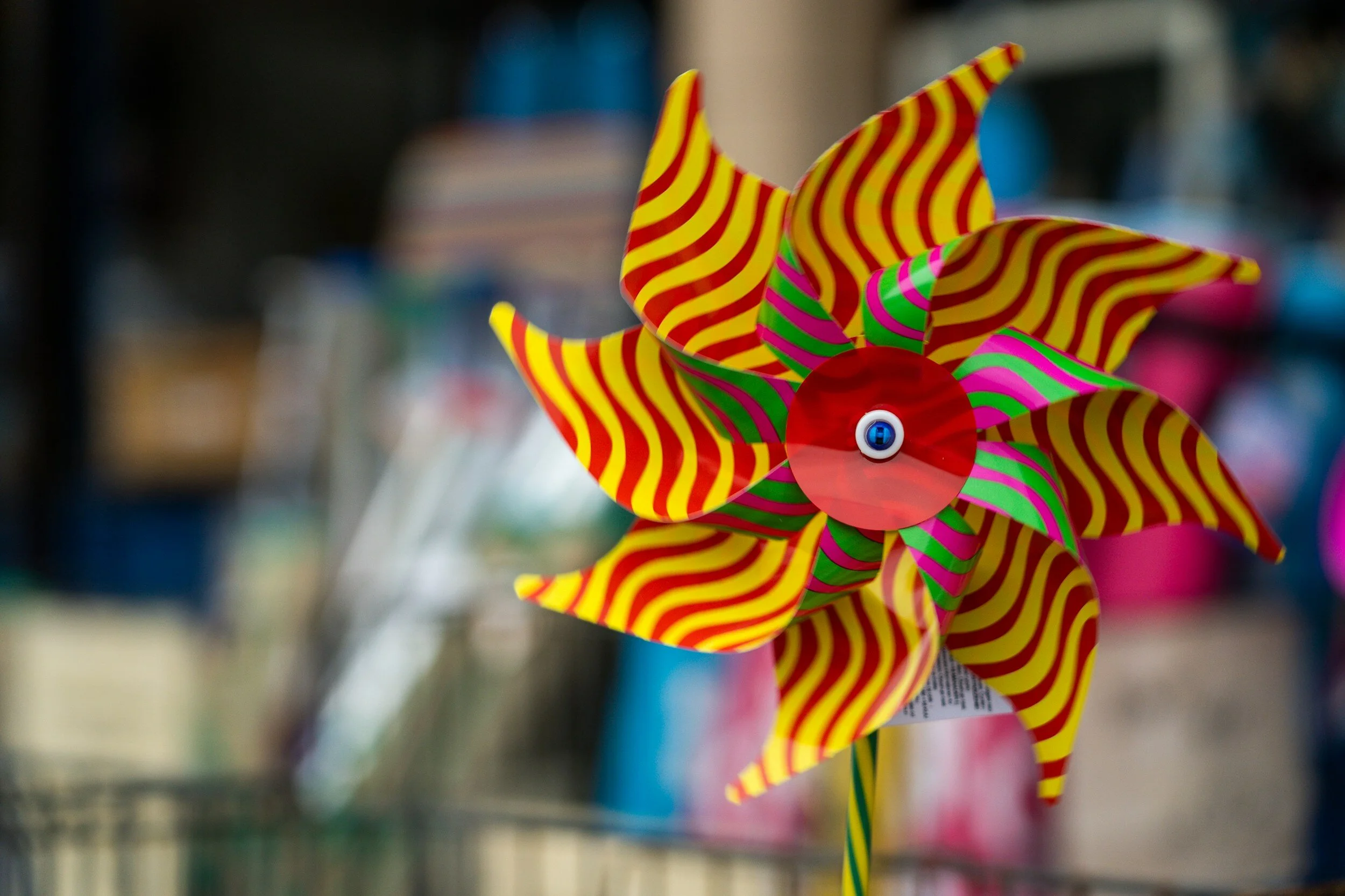
Art that Moves: Expression and Problem Solving through Kinetic Sculptures
The process of creating our Kinetic Sculptures showed what can happen when you get art moving: artistic expression and problem solving at its finest!

Celebrating 25 Shimmering Years of KID smART: Cocktails for KID smART 2024
Cocktails for KID smART, got a whole lot more… sparkly!
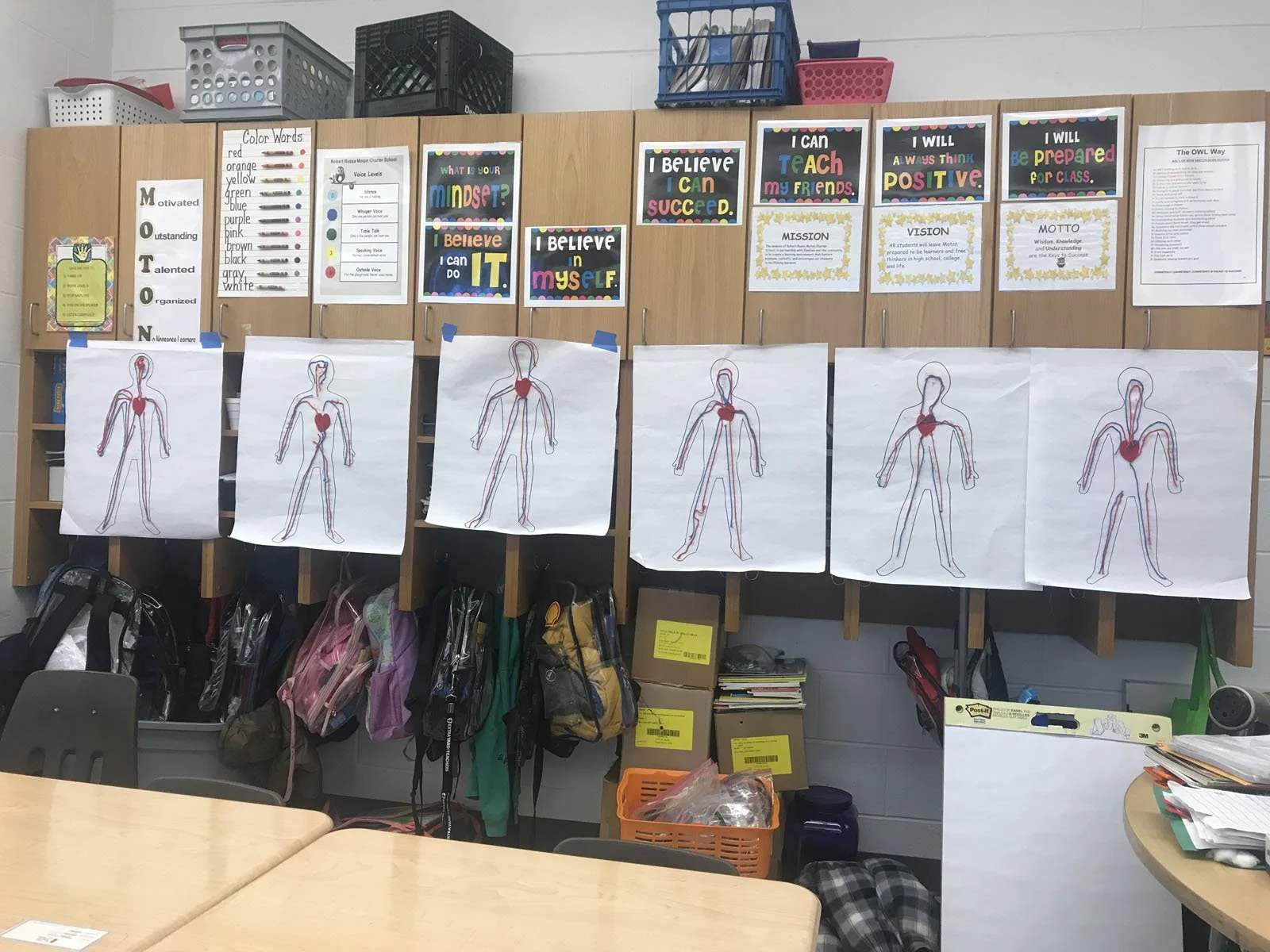
The Systems that Make Us: Integrating Art into Science
Science lessons were presented to the students over the course of two months, during which we implemented varying methods of Arts-Integration into Mrs. Auzout’s lesson plan. Through teaching highly complex bodies work at a first-grade level. They were then able to recall the previous body parts that help the brain function and called upon the various creative and social emotional skills they learned along the way through Arts-Integration!
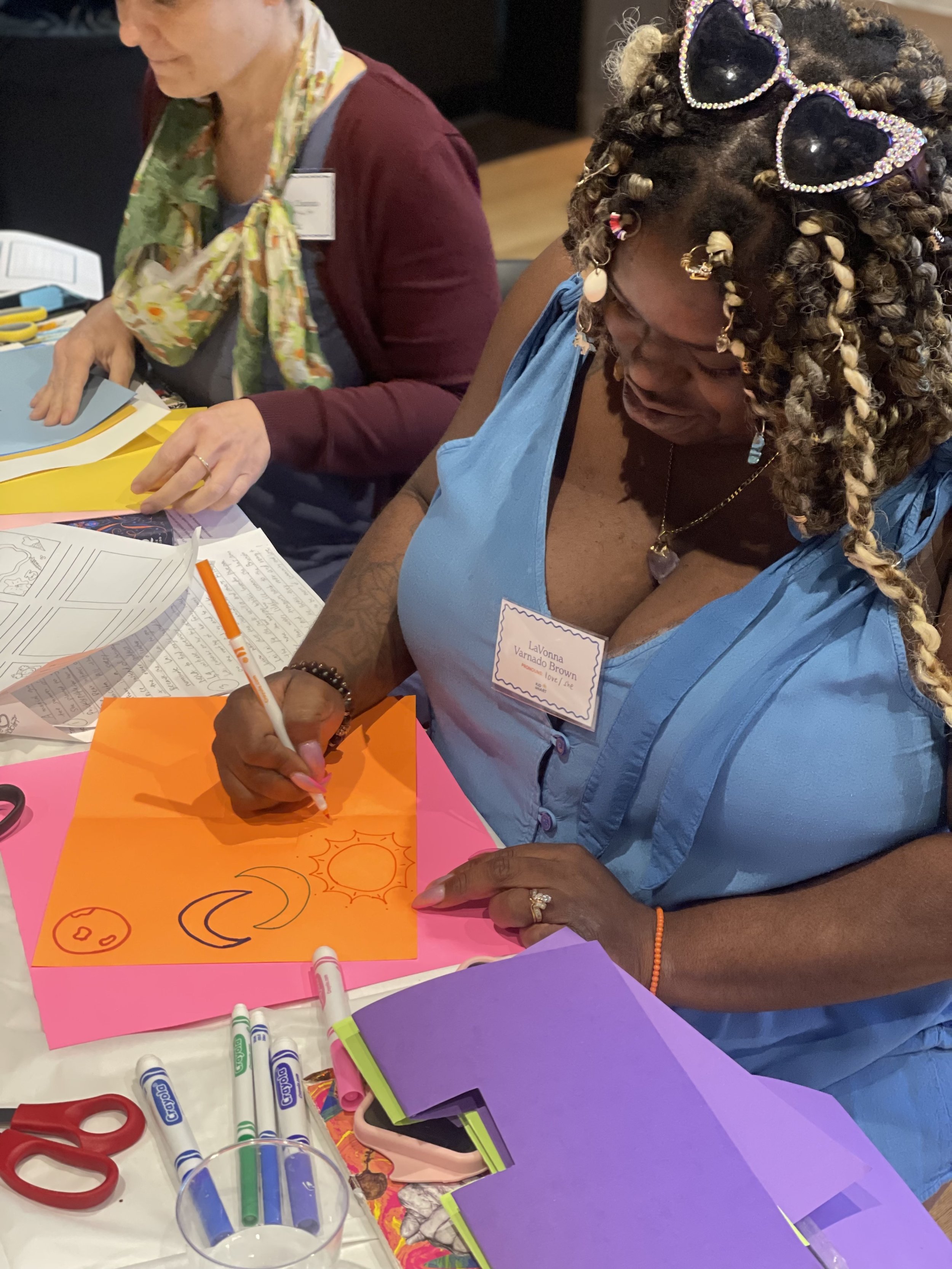
Arts-Integration in Action: Debunking the Myth of “Those Who Can’t Do, Teach.”
There's a colloquialized pessimism that shrouds artists, musicians and performers “who are not working out in the big city”. They say if you can't do it, then teach. Well, I argue that it's those who can, teach- and do so with a high level of skill and passion.
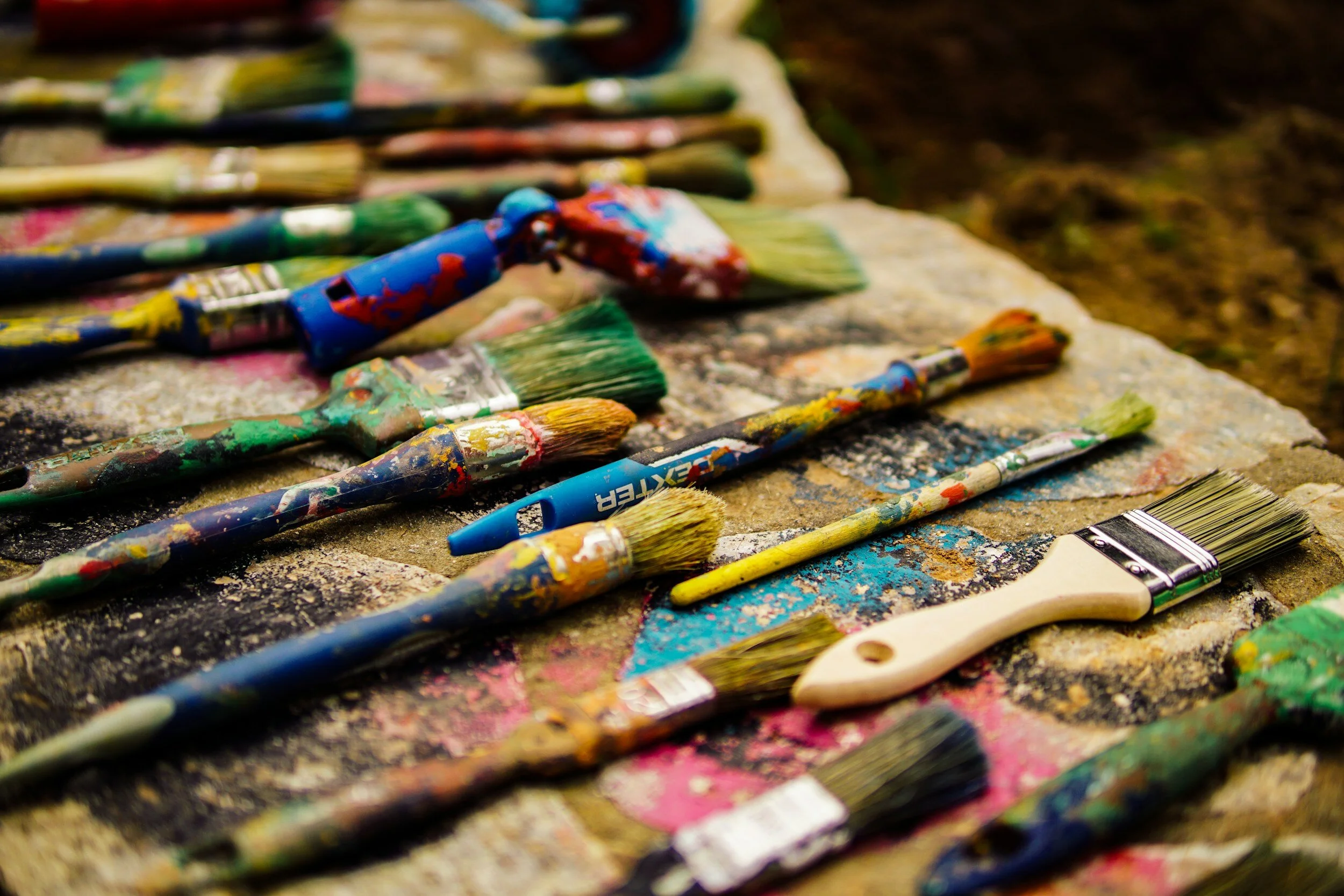
More than Meets the Eye: Art Observation in Arts-Integration
When I was a classroom teacher, I saw some of my kindergarten students who were typically wary of class discussions come to life when we discussed a painting by Diego Rivera. Discussing art with students in Arts-Integrated lessons bridges the community of artists throughout the world with the work students do in the classroom.
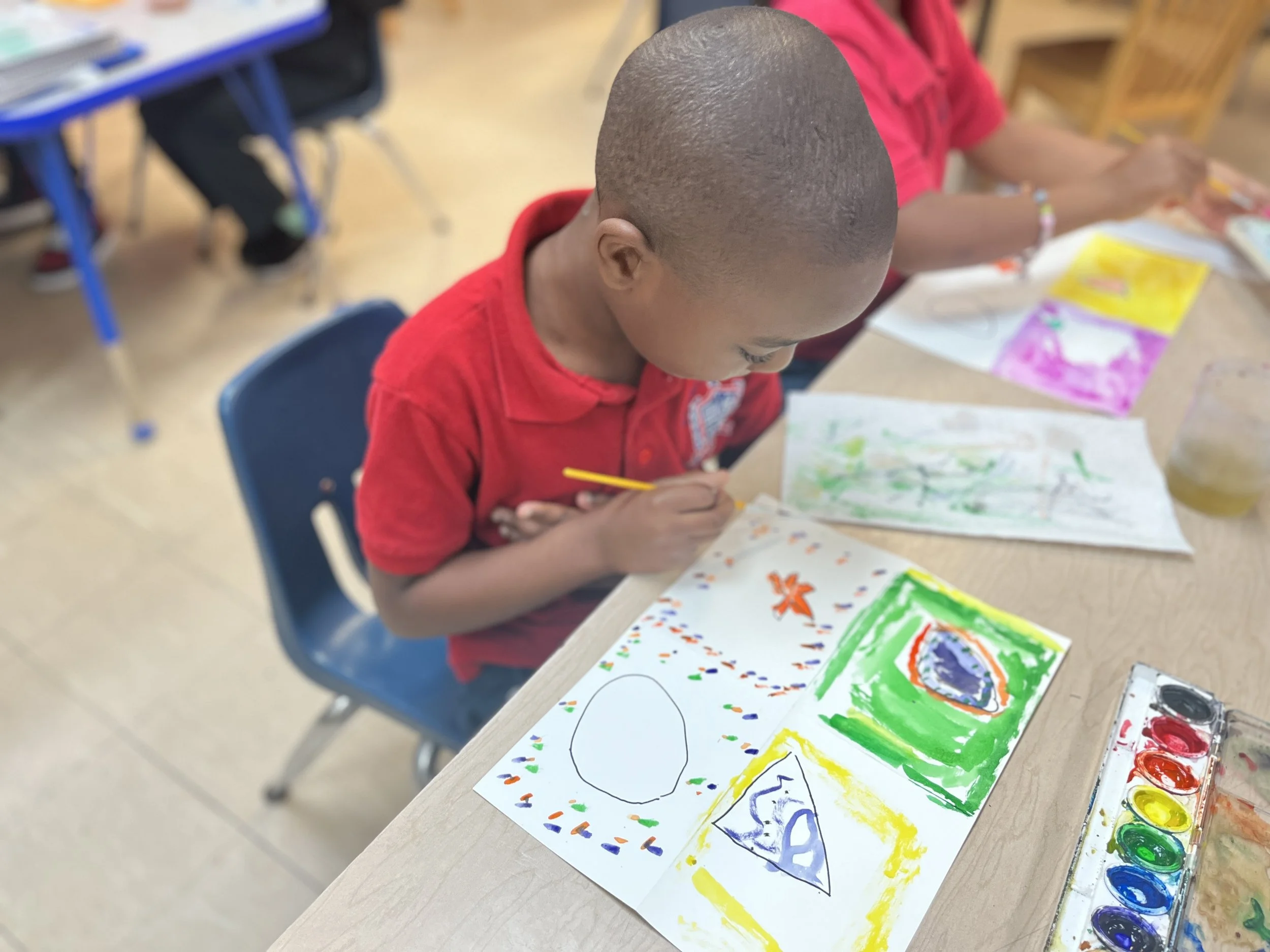
Prioritizing the Purpose: Creating Engaging and Enriching Arts-Integration Lessons
I have found that when there is intention embedded in the way I design my activities, and I am open to accepting that intention does not equal impact, it opens the door for authentic, powerful and completely unpredictable student expression. When I perceive that an activity isn’t working for a student the way I expected, I have found that asking myself, “what is the purpose of this activity?” is a great way to re-calibrate.
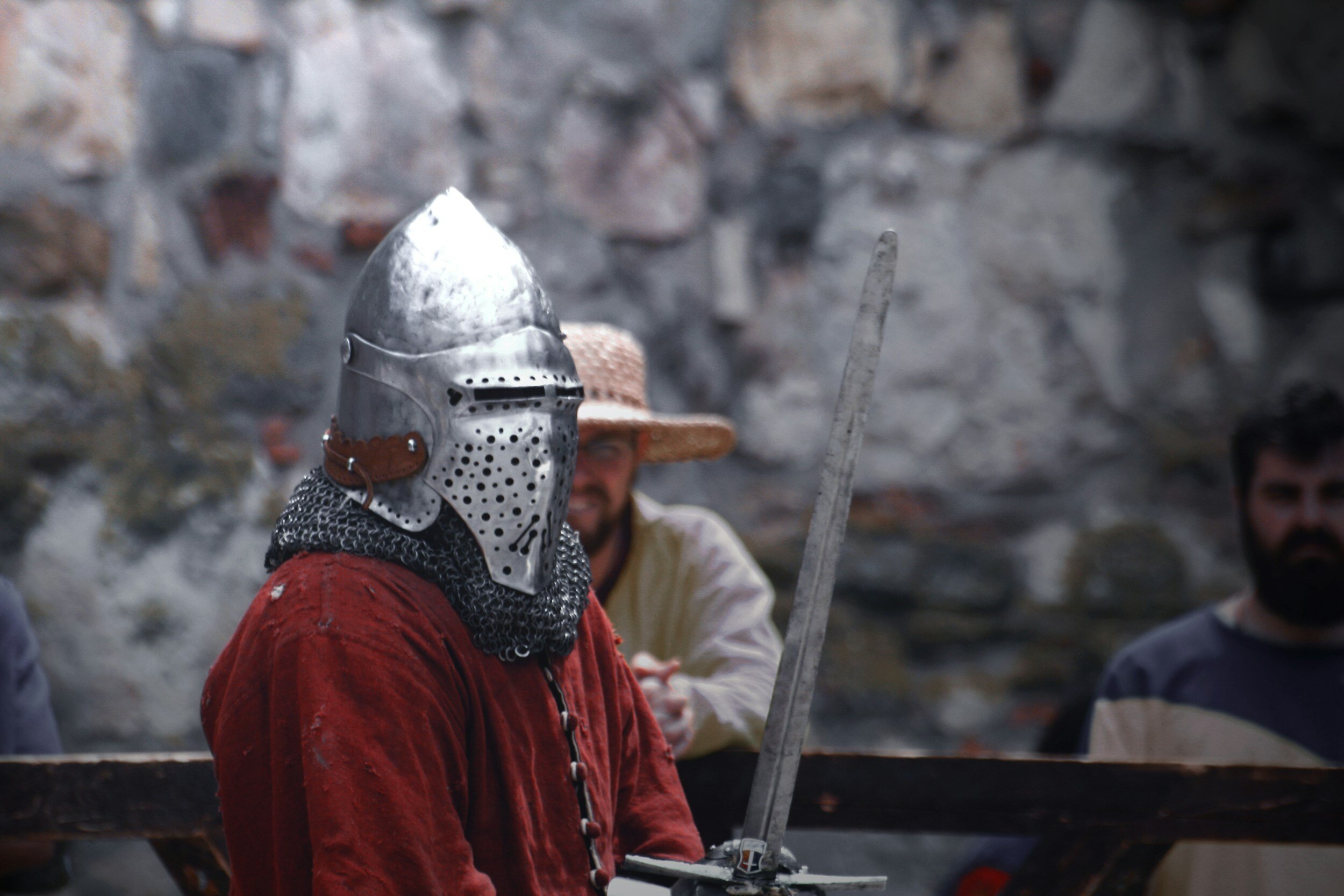
Question Everything: Arts-Integration in Social Studies and Theater
5th grade is learning about the Middle Ages. At first thought, you might think, “What fun! Knights, and castles, and dragons, Oh, my!”, but what’s really happening is as unexpected as it is welcome. What’s happening in these 5th Graders doesn’t usually occur until college. These 10 year-olds are questioning. Everything.
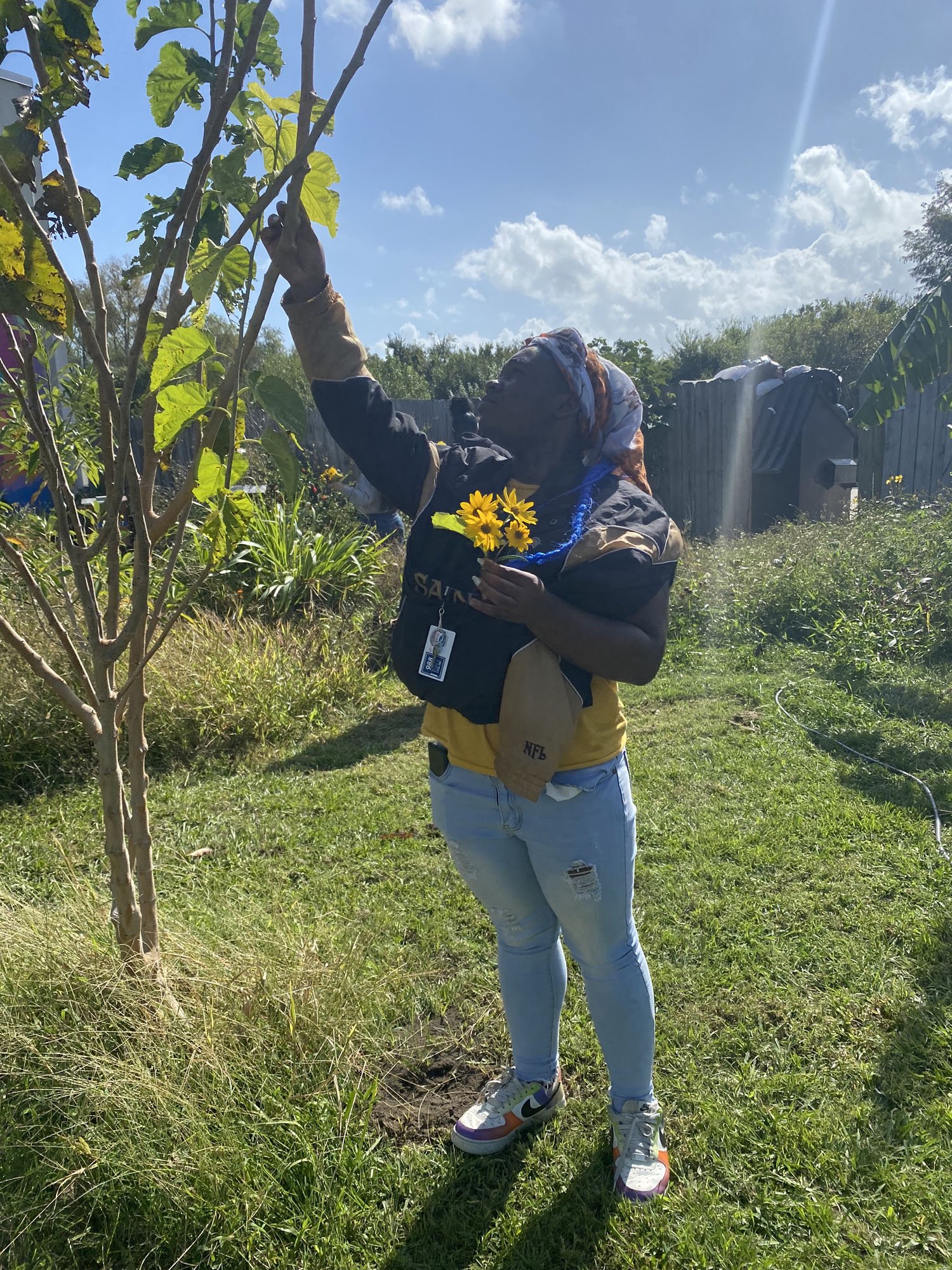
Breathing Life into Art: Arts-Integration Across Different Subjects (History, English, Physics)
In these classes, I collaboratively implemented Arts-Integration into African American History, Physics, and English. Through this process, I learned so much. As a self-proclaimed “forever student”, Arts-Integration was a wonderful educational refresh for me!
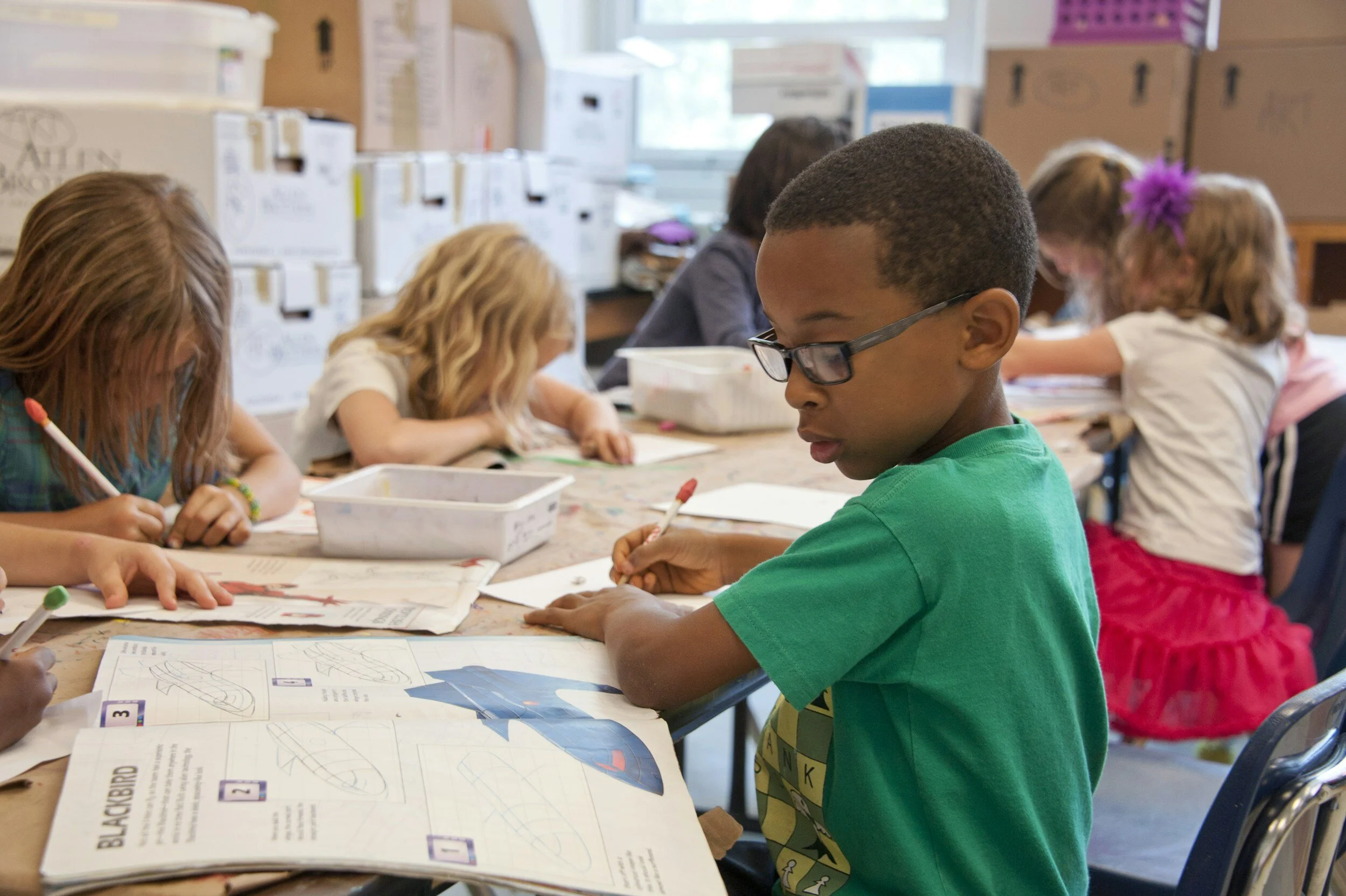
Checking for Understanding: Incorporating Arts-Integration into a Learning Space
When conducting Arts-Integration projects in the classroom, it is important to check for understanding along the way. One of the best ways to do this is to flip the classroom on its head: the students become the teacher.
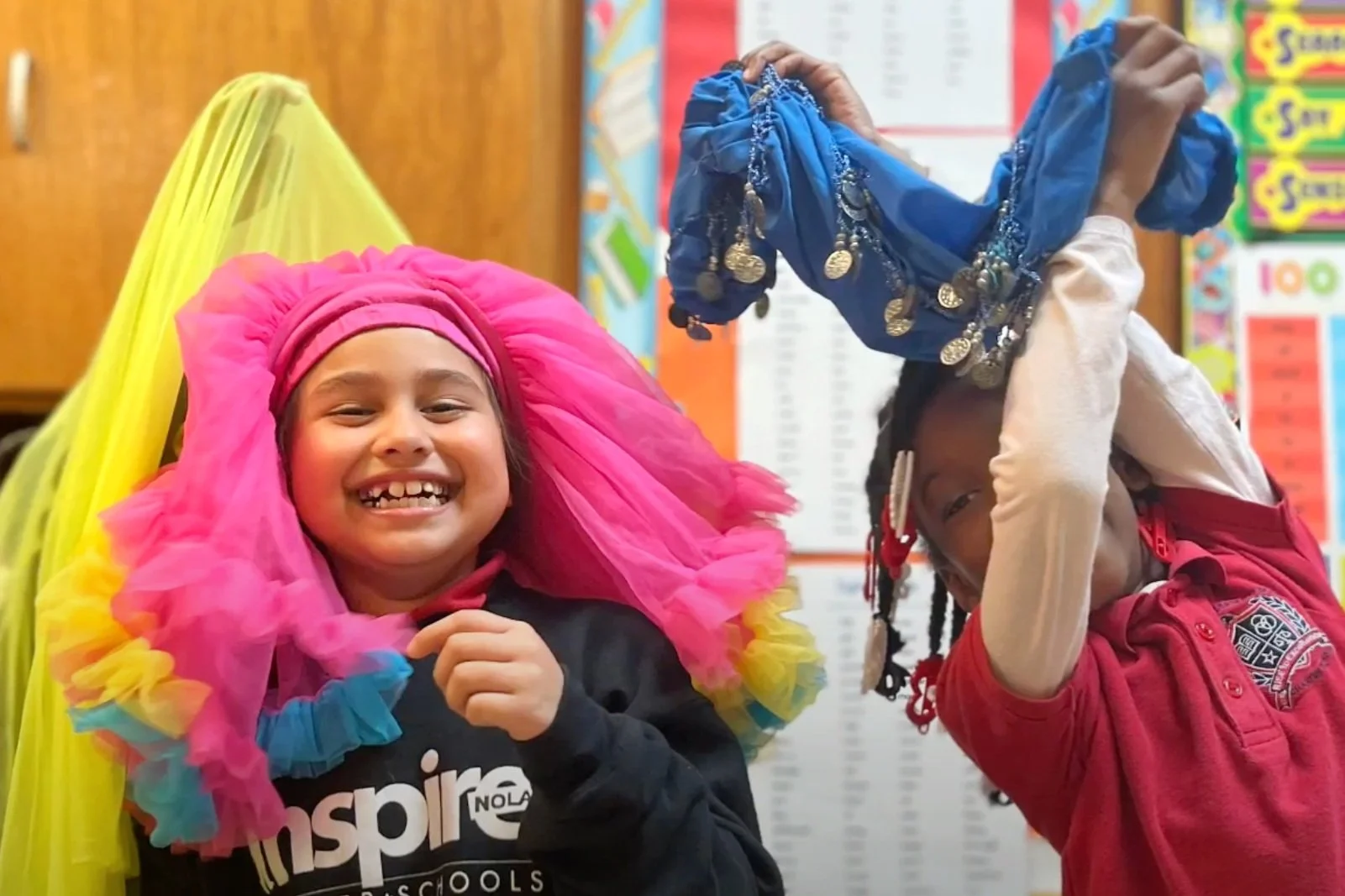
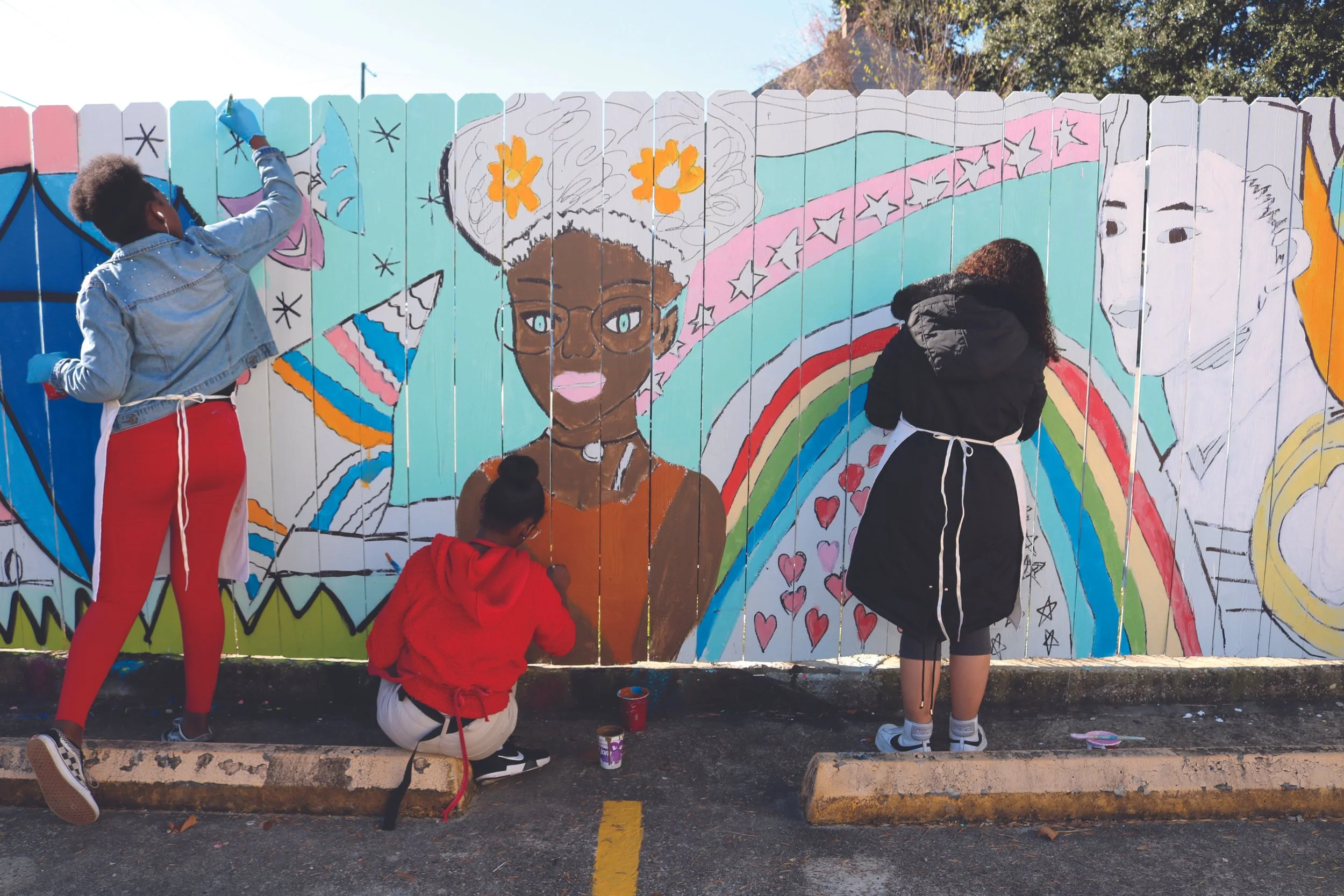
The Creative Advantage: How Arts Education Prepares Students for a Competitive Business World
Discover how KID smART's innovative approach to arts education empowers students with the creativity and problem-solving skills they need to become the dynamic business leaders of the future