The Art of Growth
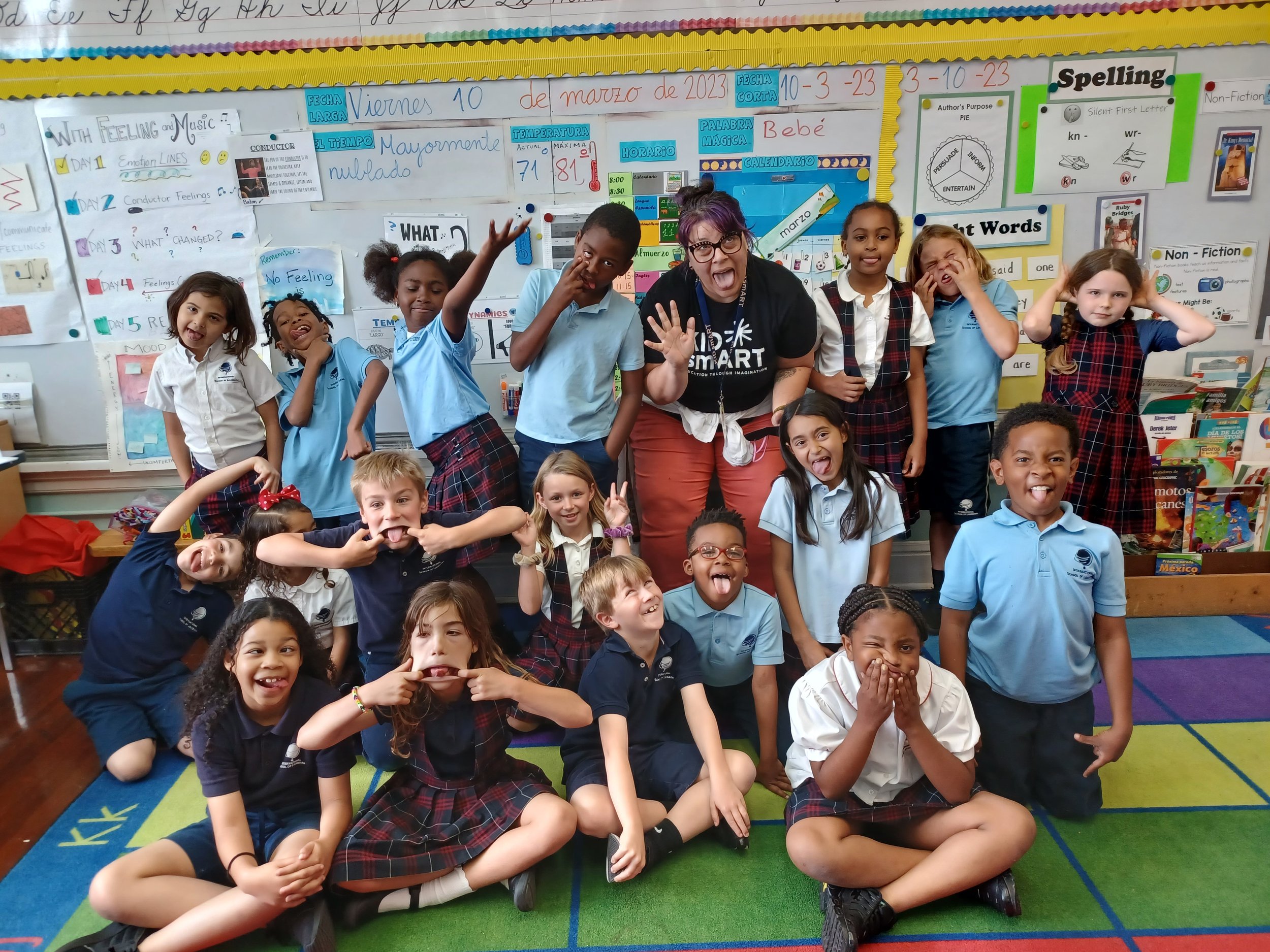
In 2025, KID smART’s commitment to arts-integrated learning sparked growth in every classroom, every student, and every educator we reached. With over 1,600 students and 871 adults served, our programs didn’t just teach–they inspired. As one student put it, “...you can have fun doing school work!” That joy is the root of transformation–and the heart of growth.
Read Our FY25 Impact Report
3,272
students served through our Creative Schools Program
4,180
hours our arts-integrated instruction
544
teachers served through our Professional Development
The Joy Journal
See the latest ways we’re making an impact
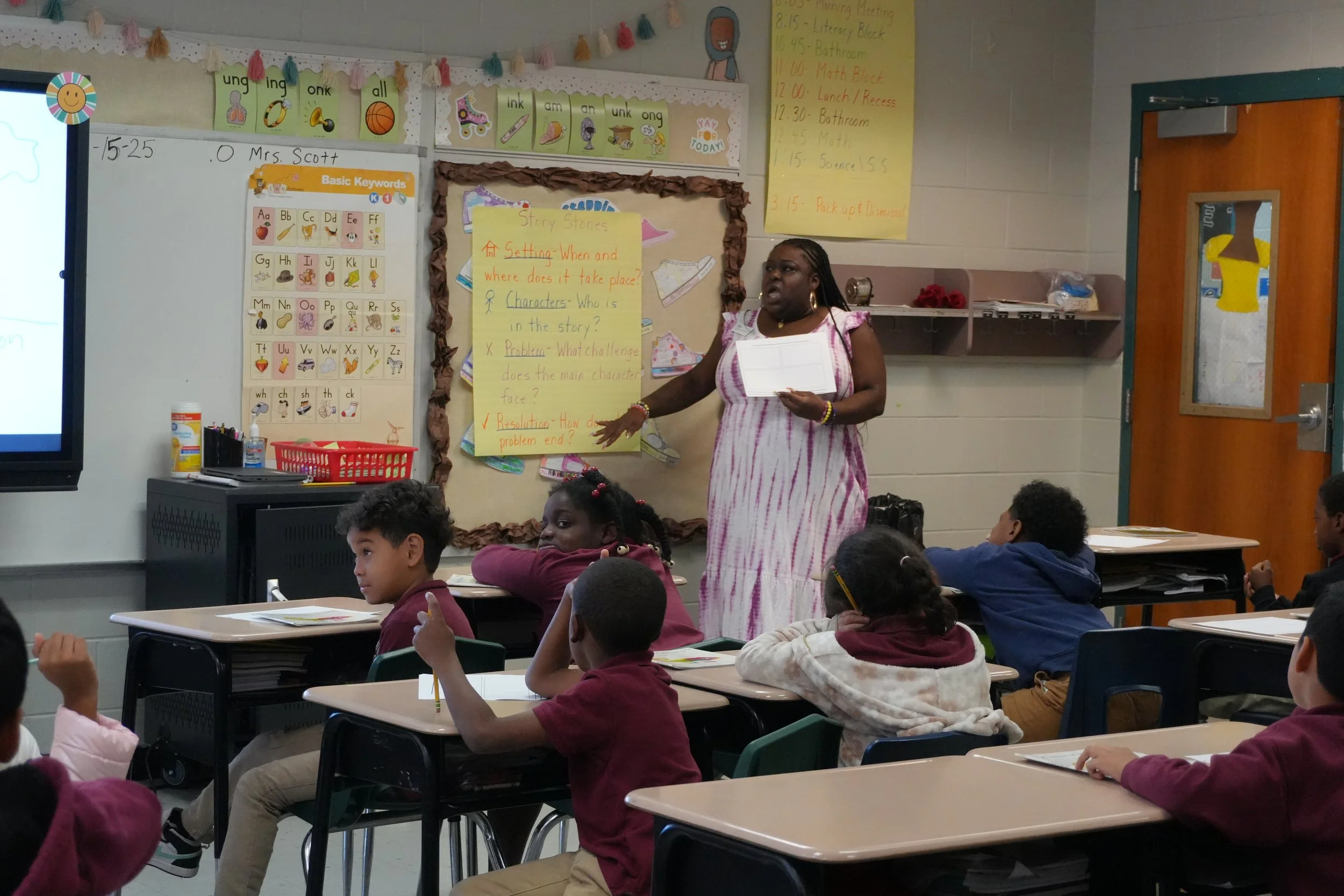
This semester, Teaching Artist LaVonna Varnado-Brown worked with a study skills class that had teachers that were both committed and excited about their KID smART creative arts residency. We used a combination of creative dramatic exercises and social emotional learning techniques in each co teaching session.
When teaching artists Kitty O’Connor and Mia Rotondo sat down to reflect on and share about their collaborative practice, they quickly realized that there were SO many stories of joyful collaboration woven throughout their semesters at school residencies, professional development, and planning with SO many other colleagues and community organizations- that just one story wouldn’t do! So please enjoy this ongoing reflection series on Collaboration and Arts Integration.
Summer is a special time for those who work in and with schools. The break gives us a little breathing room to rest, reflect on the year that just ended, and make plans for the year ahead. The KID smART programming team took this time to retreat and ask ourselves, “What are we doing well? And what could we be doing better?”
This summer, my engagement with STEAM smART centered on three key objectives: student benefit, organizational growth, and personal professional development.
We are cultivating a community of confident artists at Foundation Prep this Fall semester. In Mrs. Houston’s science class we learned through an arts integrated lesson about physical and chemical changes, simultaneously exploring visual arts techniques like mixing oil pastels and watercolor. This lesson is building off of other skills we have acquired throughout the semester like: elements of drama, characters, plot, and setting.
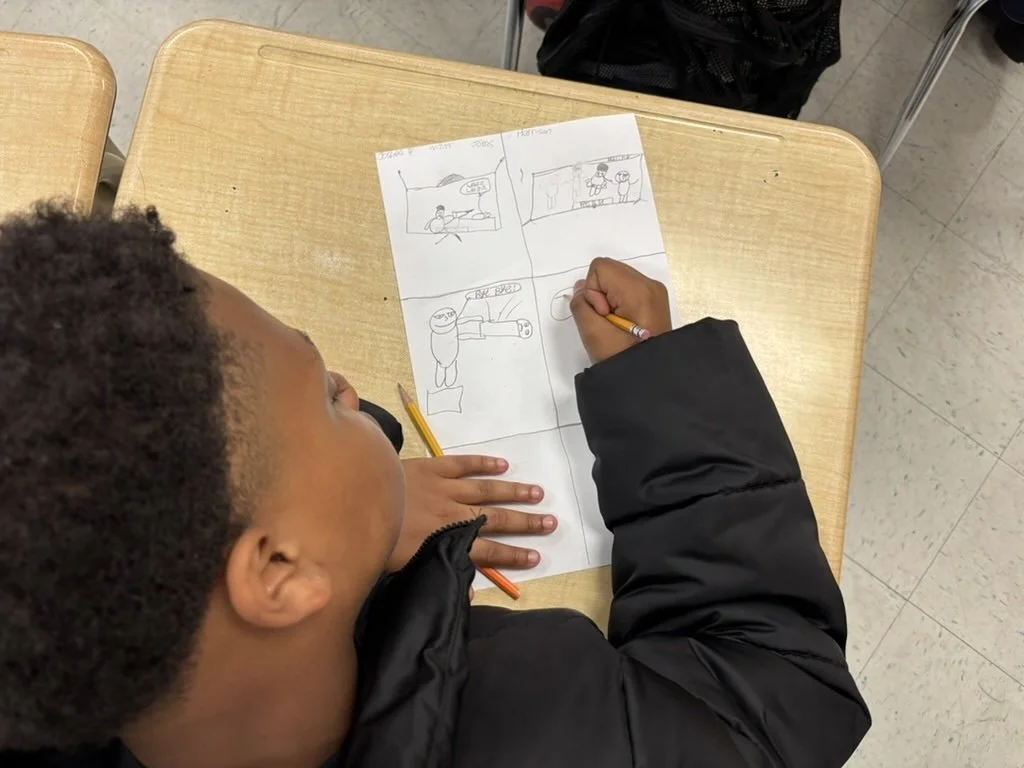
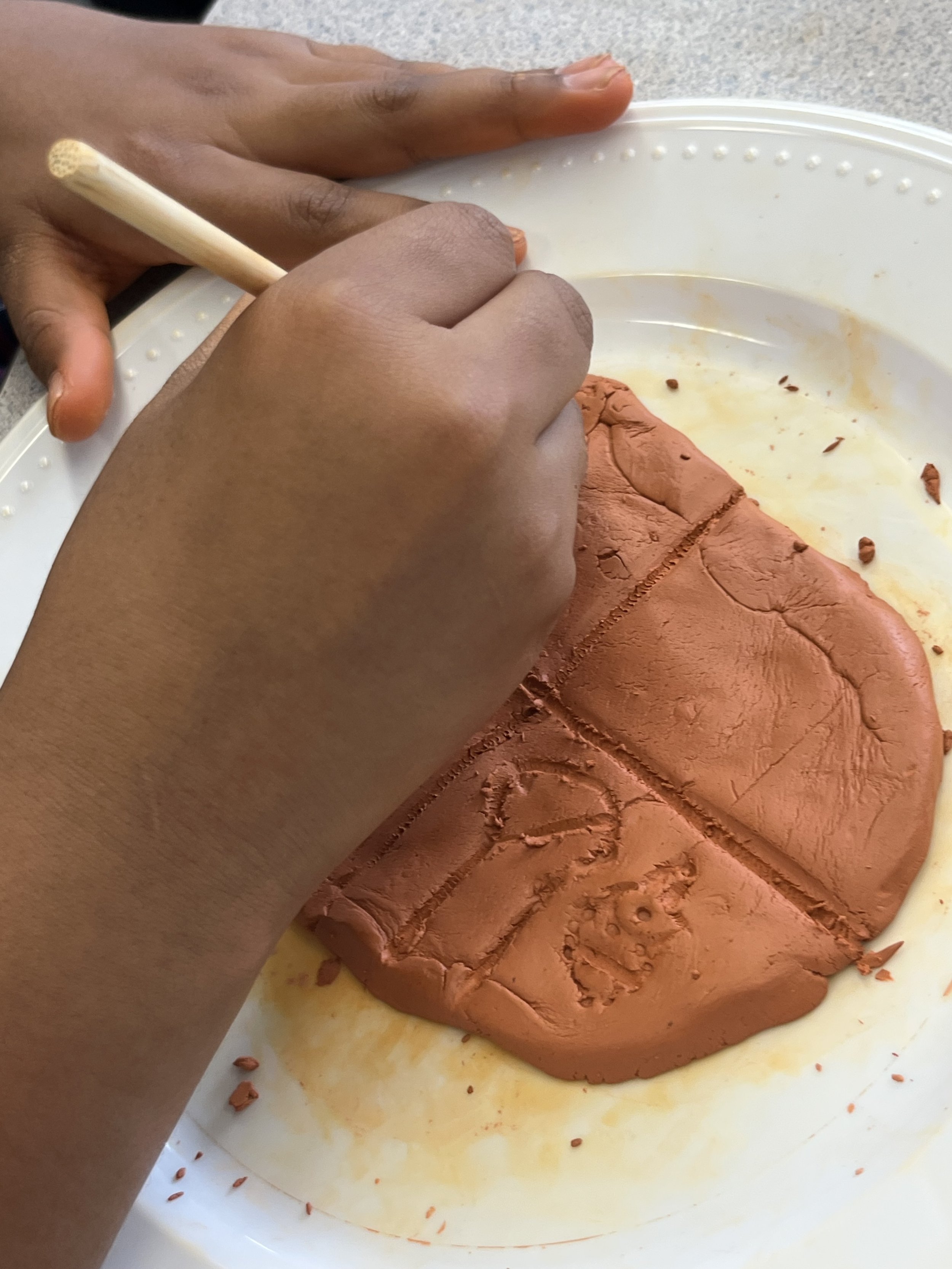
Retell and sequencing is a major part of comprehension across subject areas. Providing students the opportunity to create their own visual representation of fictional stories, historical events, or scientific and mathematical procedures allows them to deepen their understanding of the content. Bringing comic, zine, and art book making into lessons can be an engaging, empowering, and fun way to work on these skills.